

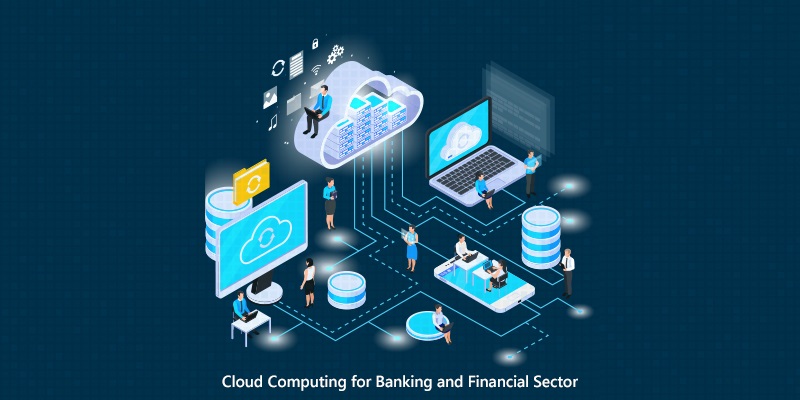
Cloud computing is transforming the banking and financial services industry (BFSI) by enabling secure, scalable, and cost-effective digital solutions. As customer expectations grow and regulatory pressure increases, banks are adopting cloud technology to improve agility, enhance security, and drive innovation.
What Is Cloud Computing in Banking?
Cloud computing in banking refers to the use of cloud-based infrastructure, platforms, and software to deliver financial services. Instead of relying on traditional on-premise data centers, banks use public, private, or hybrid cloud environments to store data, run applications, and process transactions securely.
Primary Cloud Models Used in Banking:
Multi-Cloud
Public Cloud
Private Cloud
Hybrid Cloud
Why Banks Are Moving to Cloud Computing
Banks and financial institutions are rapidly embracing cloud adoption due to its operational and strategic benefits.
Key Drivers of Cloud Adoption in BFSI:
- Digital transformation initiatives
- Growing demand for mobile and online banking
- Need for real-time data analytics
- Cost optimization and scalability
- Faster product innovation
Cloud Deployment Models in Financial Services
Public Cloud
Used for non-critical workloads like development, testing, and customer engagement platforms.
Private Cloud
Preferred for sensitive financial data requiring maximum control and security.
Hybrid Cloud
Combines public and private cloud, offering security, flexibility, and cost optimization—the most popular model in banking.
Multi-Cloud
Reduces vendor lock-in and enhances resilience by using multiple cloud providers.
Security Challenges & Risk Management in Cloud Banking
Despite its benefits, cloud computing presents challenges that banks must address:
- Data privacy concerns
- Regulatory compliance complexity
- Vendor lock-in risks
- Shared responsibility misunderstandings
Best Practices to Mitigate Risks:
- Implement Zero Trust security architecture
- Encrypt data at rest and in transit
- Regular compliance audits
- Strong identity and access controls
Role of Major Cloud Providers in Banking
Leading cloud service providers offer industry-specific solutions for BFSI:
- AWS for Financial Services
- Microsoft Azure for Banking
- Google Cloud for Financial Institutions
These platforms provide compliance-ready infrastructure, AI tools, and high-availability architectures.
Future of Cloud Computing in Banking
The future of cloud computing in the banking sector will focus on:
- AI-driven financial services
- Open banking APIs
- Cloud-native core banking platforms
- Blockchain integration
- Sustainable and green cloud solutions
Cloud technology will continue to redefine how banks operate, innovate, and serve customers.
Conclusion
Cloud computing has become a strategic necessity for the banking and financial services industry. By enabling secure digital transformation, operational efficiency, and innovation, cloud technology empowers banks to remain competitive in a rapidly evolving financial landscape.