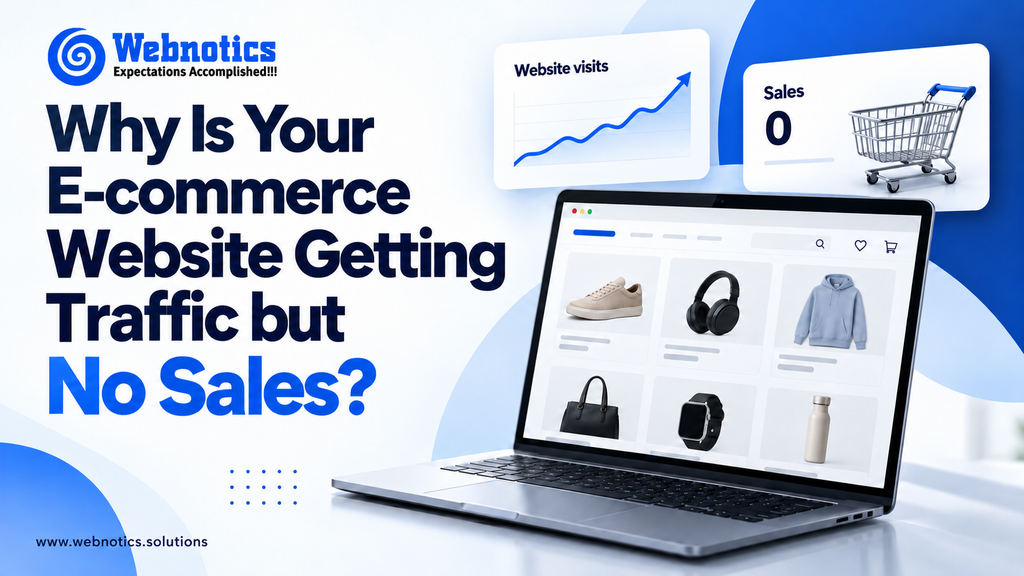
Getting e-commerce traffic but no sales can be really frustrating. You have invested in attracting visitors and they simply do not seem to want to buy. The first thing you need to check is whether your store gives these customers enough confidence and convenience to make a purchase.
These are the key factors that determine e-commerce conversion optimisation. Take a close look at these six areas before increasing your marketing spend.
1. Your Traffic Does Not Match Your Products
More visitors do not necessarily mean more potential customers since a wide target audience, irrelevant search terms or an exaggerated ad copy may attract the wrong attention.
Evaluate the channels that drive the most product views, add-to-carts and purchases. Ensure that your ads, landing pages and products solve the same customer need.
2. Pages Are Slow or Difficult to Use
Heavy images, scripts and navigation cause interruptions during the shopping process. Shoppers who shop using their phones also require text that is easy to read, menus and buttons that are easy to access.
Use Google PageSpeed Insights to identify any performance issues and then test critical pages manually on a mobile device. Check variations in product options, search, updates to the cart and checkout rather than just checking the homepage.
3. Product Pages Leave Important Questions Unanswered
Customers cannot feel or try the products online. In addition, the absence of information about sizes, bad photos, and insufficient details may mislead the buyer.
Therefore, it is essential to provide high-resolution photos and visualizations, include all the necessary characteristics and materials, and write about the advantages of your item. Moreover, the delivery process and its terms should be described in detail. It would be a good idea to put this information close to the buy button to avoid losing customers on the page.
4. Costs Become Clear Too Late
Unexpected shipping charges, taxes or additional fees can make shoppers reconsider their purchase. Baymard’s cart abandonment research highlights high extra costs as one of the reasons that cause customers to abandon the checkout.
Display charges or estimates at an early stage, explain the conditions for obtaining free-shipping and communicate to the customers what they can expect as far as delivery times are concerned. The customer should have an estimate of the total amount that he will be charged for the shipment.
5. Checkout Creates Unnecessary Friction
Long forms, mandatory registration, and unclear error messages may frustrate customers and make the purchasing process more difficult than necessary. In addition, incorrect discount codes or payment errors can add to the challenges.
Offer a guest checkout option whenever possible, collect only the crucial information, and test the entire process to ensure that the ordering process is as convenient as possible. If your organization requires assistance with technical enhancements, Webnotics’ e-commerce development services can help you evaluate the website’s functionality and customer experience.
6. Your Store Has Not Built Enough Trust
First time buyers may get confused by the lack of contact details, return policy or reviews.
Display accurate information about the company, reviews and policies. Show products with realistic claims and comparable prices and keep the inventory available up to date.
7. Turn Visitor Behaviour into Action
To increase online sales,measure views, cart additions, checkout starts and completed purchases. Discover the largest drop-offs, explore the reasons and resolve the most common issues first. Compare results after every significant change to determine what works rather than expecting identical solutions to work for any store.
Ready to turn more visits into purchases? Contact Webnotics to discuss improvements to your e-commerce website.